ECG (Electrocardiogram)

ECG (Electrocardiogram)

ECG (Electrocardiogram)

An Electrocardiogram (ECG) is a simple, painless, and non-invasive test that records the electrical activity of the heart. It helps detect irregular heart rhythms, heart disease, previous heart attacks, and other cardiac conditions. Dr. Ankit Biyani offers ECG testing for accurate heart health assessment and early diagnosis of cardiovascular problems.

Why is an ECG Performed?

  • Evaluation of chest pain
  • Assessment of palpitations
  • Investigation of dizziness or fainting
  • Monitoring heart rhythm abnormalities
  • Routine cardiac health screening
  • Monitoring patients with hypertension and diabetes
Symptoms That May Require an ECG

  • Chest pain or discomfort
  • Irregular heartbeat
  • Shortness of breath
  • Dizziness or lightheadedness
  • Rapid or slow heart rate
  • Unexplained fatigue

Conditions Detected by ECG

  • Heart rhythm disorders (Arrhythmias)
  • Heart attack (Myocardial Infarction)
  • Coronary artery disease
  • Heart enlargement
  • Electrolyte imbalances affecting the heart
  • Conduction abnormalities

ECG Procedure

  • Quick and painless test
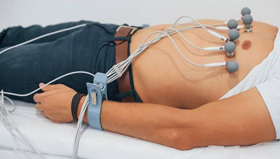
  • Electrodes placed on chest, arms, and legs
  • Records heart's electrical activity
  • Takes approximately 5–10 minutes
  • Immediate report generation

Benefits of ECG Testing

  • Early detection of heart problems
  • Quick and accurate cardiac assessment
  • Non-invasive and painless procedure
  • Helps guide further treatment decisions
  • Useful for routine health screening

Heart Health Tips

  • Monitor blood pressure regularly
  • Maintain healthy blood sugar levels
  • Exercise regularly
  • Follow a heart-healthy diet
  • Avoid smoking and excessive alcohol
  • Get regular cardiac check-ups
Book an Appointment