Holter Monitoring

Holter Monitoring

Holter Monitoring

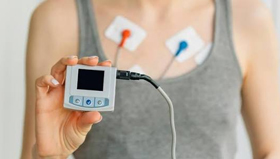
Holter Monitoring is a continuous 24 to 48-hour heart rhythm recording test that helps detect irregular heartbeats and cardiac abnormalities that may not appear during a routine ECG. Dr. Ankit Biyani offers Holter Monitoring for accurate evaluation of palpitations, dizziness, chest discomfort, and other heart-related symptoms.

Why is Holter Monitoring Performed?

  • Evaluation of irregular heartbeats
  • Assessment of palpitations
  • Investigation of dizziness or fainting episodes
  • Monitoring heart rhythm abnormalities
  • Follow-up of known heart conditions
  • Assessment of treatment effectiveness

Symptoms That May Require Holter Monitoring

  • Palpitations or skipped heartbeats
  • Dizziness or lightheadedness
  • Fainting (Syncope)
  • Chest discomfort
  • Shortness of breath
  • Unexplained fatigue

Conditions Detected

  • Arrhythmias (Irregular Heart Rhythms)
  • Atrial Fibrillation
  • Bradycardia (Slow Heart Rate)
  • Tachycardia (Fast Heart Rate)
  • Intermittent Cardiac Abnormalities
  • Silent Heart Rhythm Disorders

Holter Monitoring Procedure

  • Small portable device attached to the chest
  • Continuous heart rhythm recording for 24–48 hours
  • Normal daily activities can be continued
  • Symptom diary may be maintained during monitoring
  • Data analyzed by the physician after completion

Benefits of Holter Monitoring

  • Detects heart rhythm abnormalities missed on ECG
  • Helps identify the cause of symptoms
  • Non-invasive and painless test
  • Accurate assessment of heart function
  • Supports appropriate treatment planning

Heart Health Tips

  • Monitor blood pressure regularly
  • Control diabetes and cholesterol levels
  • Maintain a heart-healthy diet
  • Exercise regularly
  • Avoid smoking and excessive alcohol consumption
  • Seek medical attention for persistent symptoms
Book an Appointment